
DACHAU, the place where it all began
Dachau was the first Nazi concentration camp, created in 1933 as the model and prototype for others. During its twelve years of existence, more than 200,000 prisoners were detained and tortured by the Nazis, of whom more than 40,000 were murdered. Today, the camp is a memorial that remembers the victims and warns about the dangers of totalitarianism, racism, and violence. I had the opportunity to visit Dachau during my trip to Germany, and I was deeply affected by what I saw and felt.
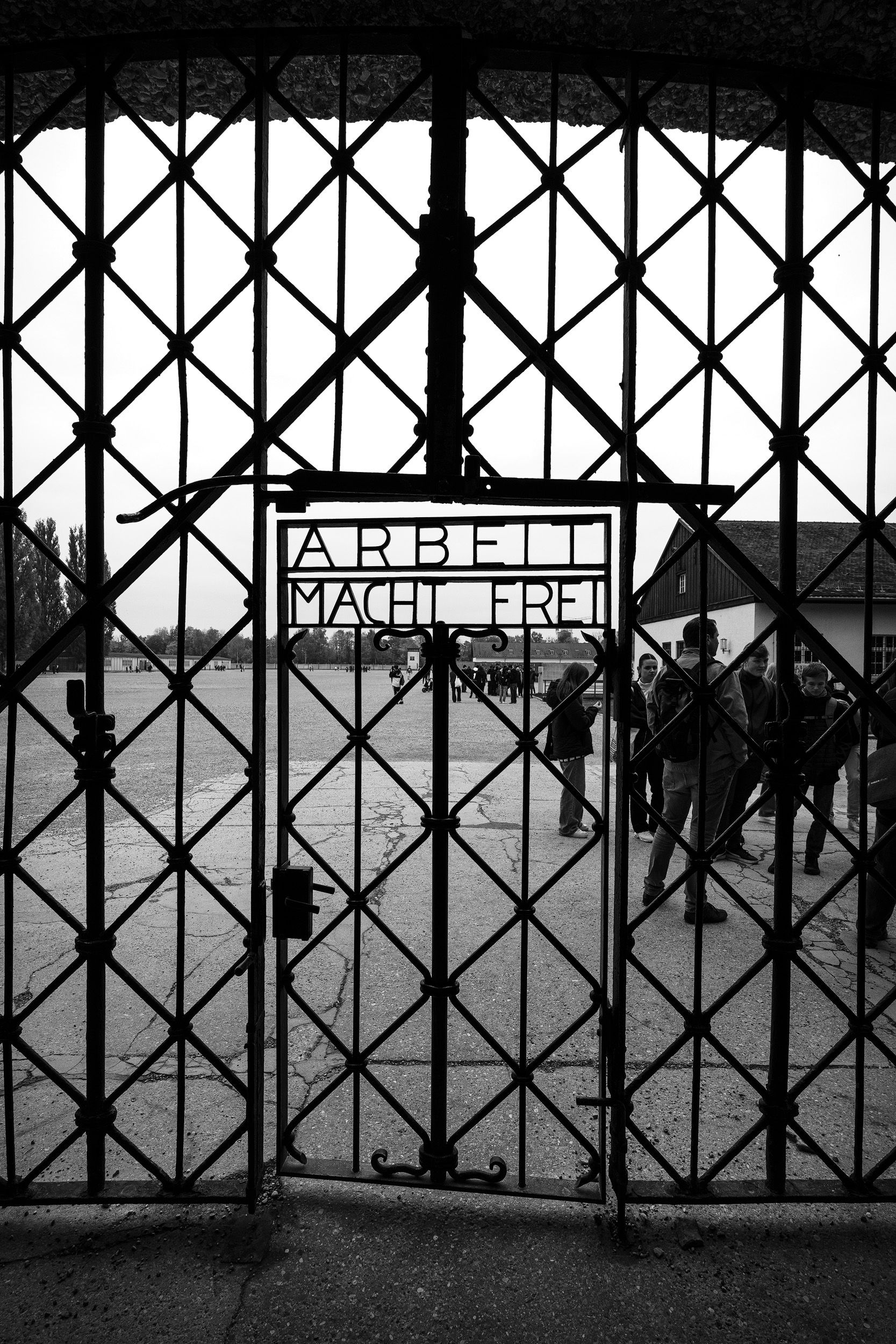
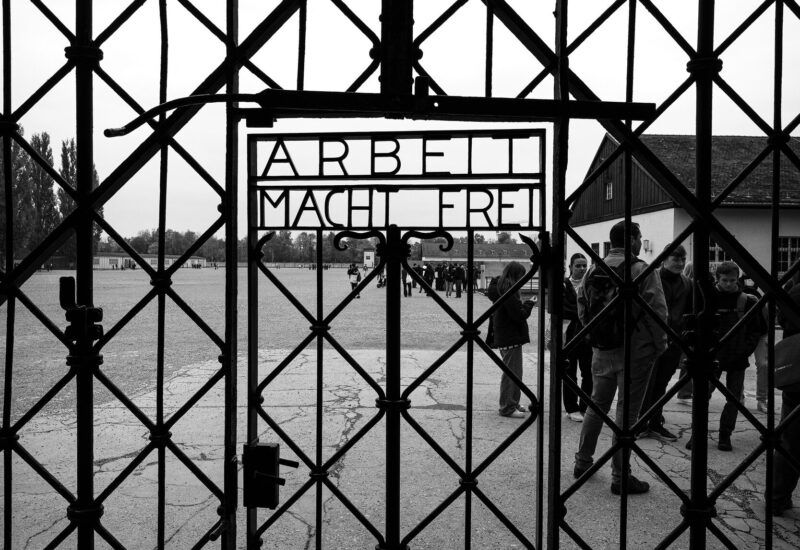
As soon as I arrived, I was confronted with a wrought iron gate inscribed with “Arbeit macht frei” (“Work will set you free”). This phrase was a cruel irony used by the Nazis to make prisoners believe that they could leave the camp if they worked hard. In reality, work was a form of exploitation and extermination.
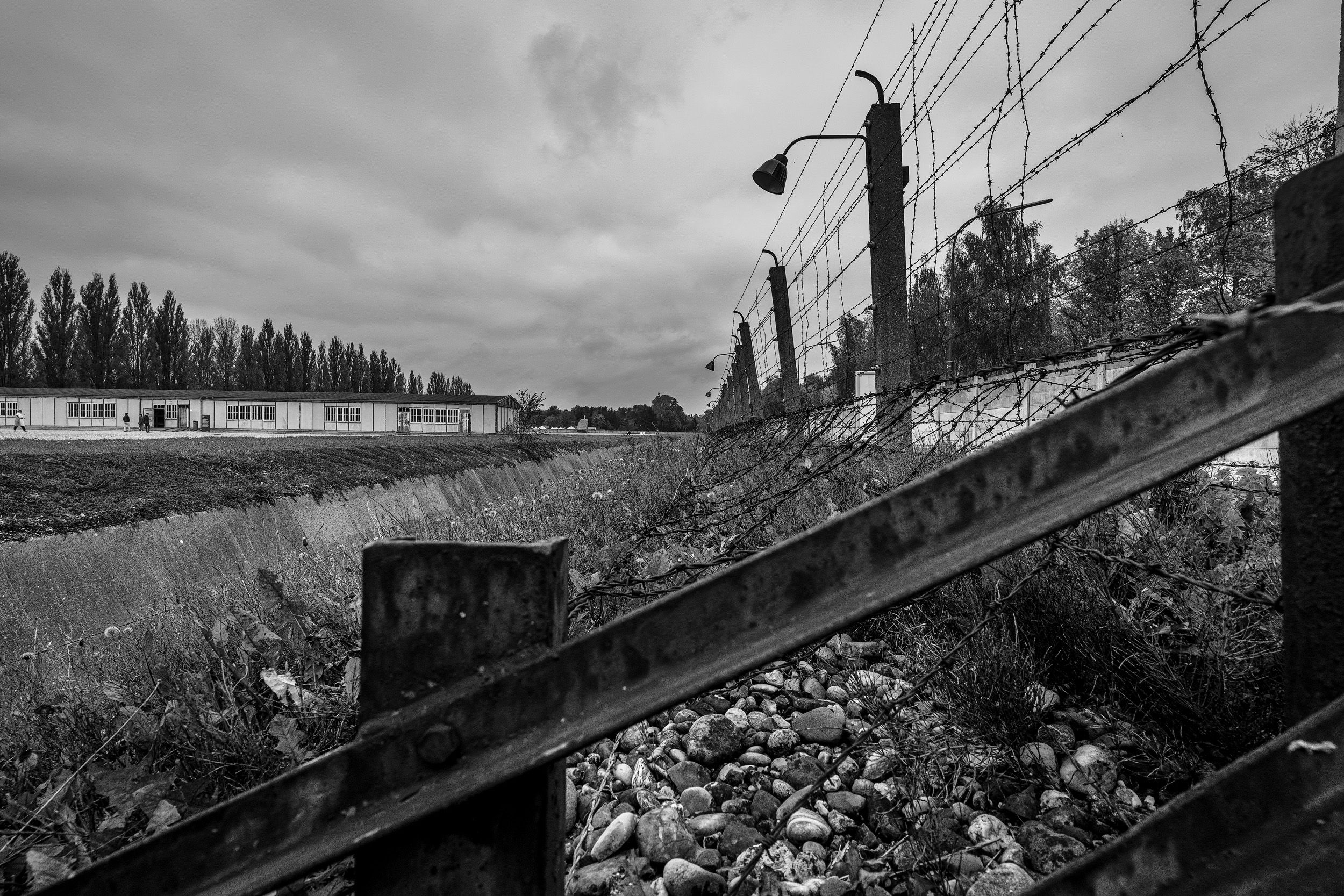
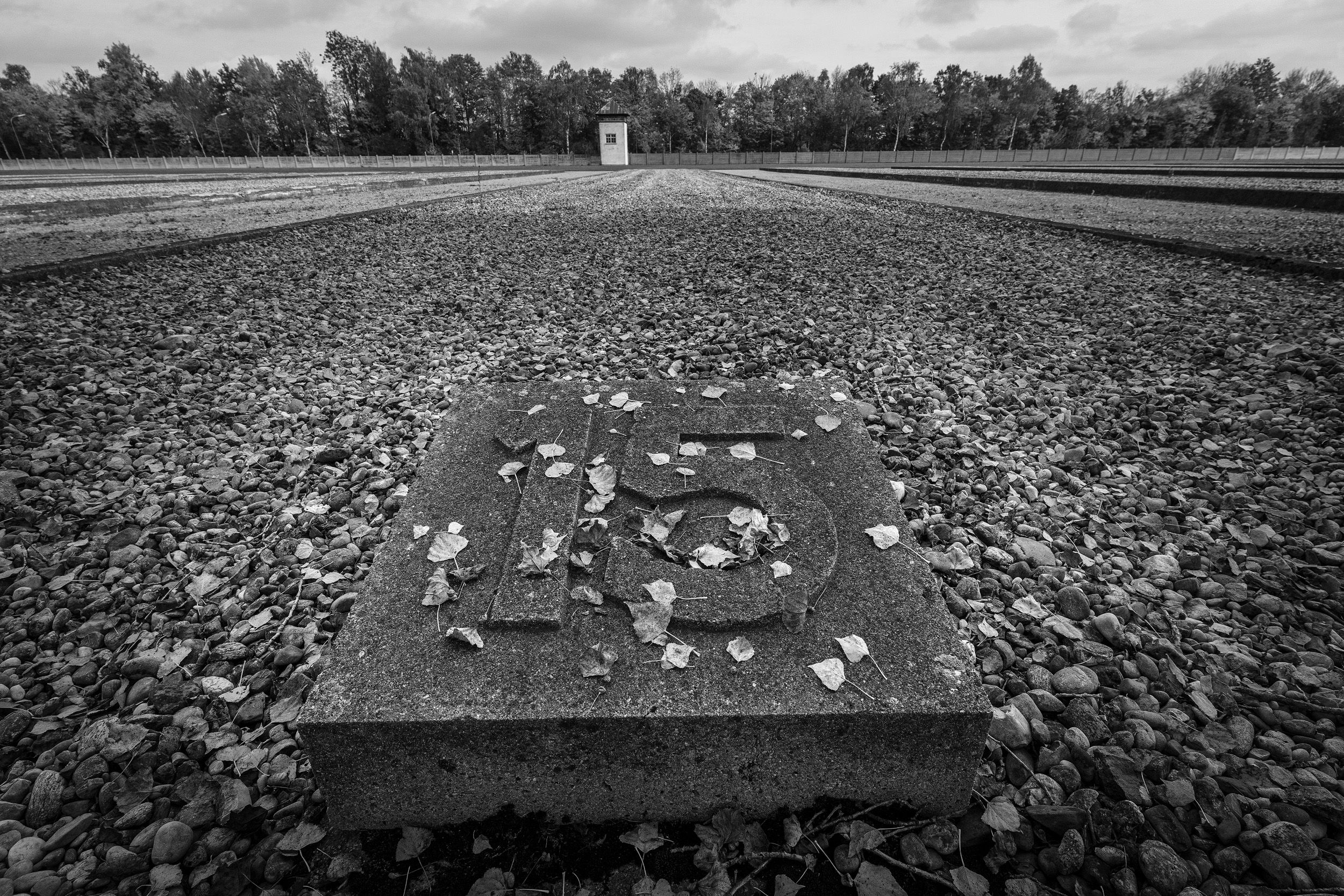
I entered the camp, and the first thing I saw was that on both sides there were electrified fences preventing escape or contact with the outside. In the distance was a watchtower with searchlights and machine guns. The camp was rectangular in shape and divided into two sections: the main or old camp, where the barracks, administrative buildings, and punishment areas were located; and the extended or new camp, where more barracks, workshops, warehouses, and gas chambers were built.
I started my tour in the main camp, where there were 34 wooden barracks that housed the prisoners. Each barrack had a capacity for 200 people, but up to 2,000 were crammed in under inhumane conditions. Prisoners slept in three-tiered bunks, without mattresses or blankets. They suffered from cold, hunger, filth, and disease. They had to get up at four in the morning for roll call and then work until seven in the evening. They only received two meals a day: a watery coffee in the morning and a watery soup at night.
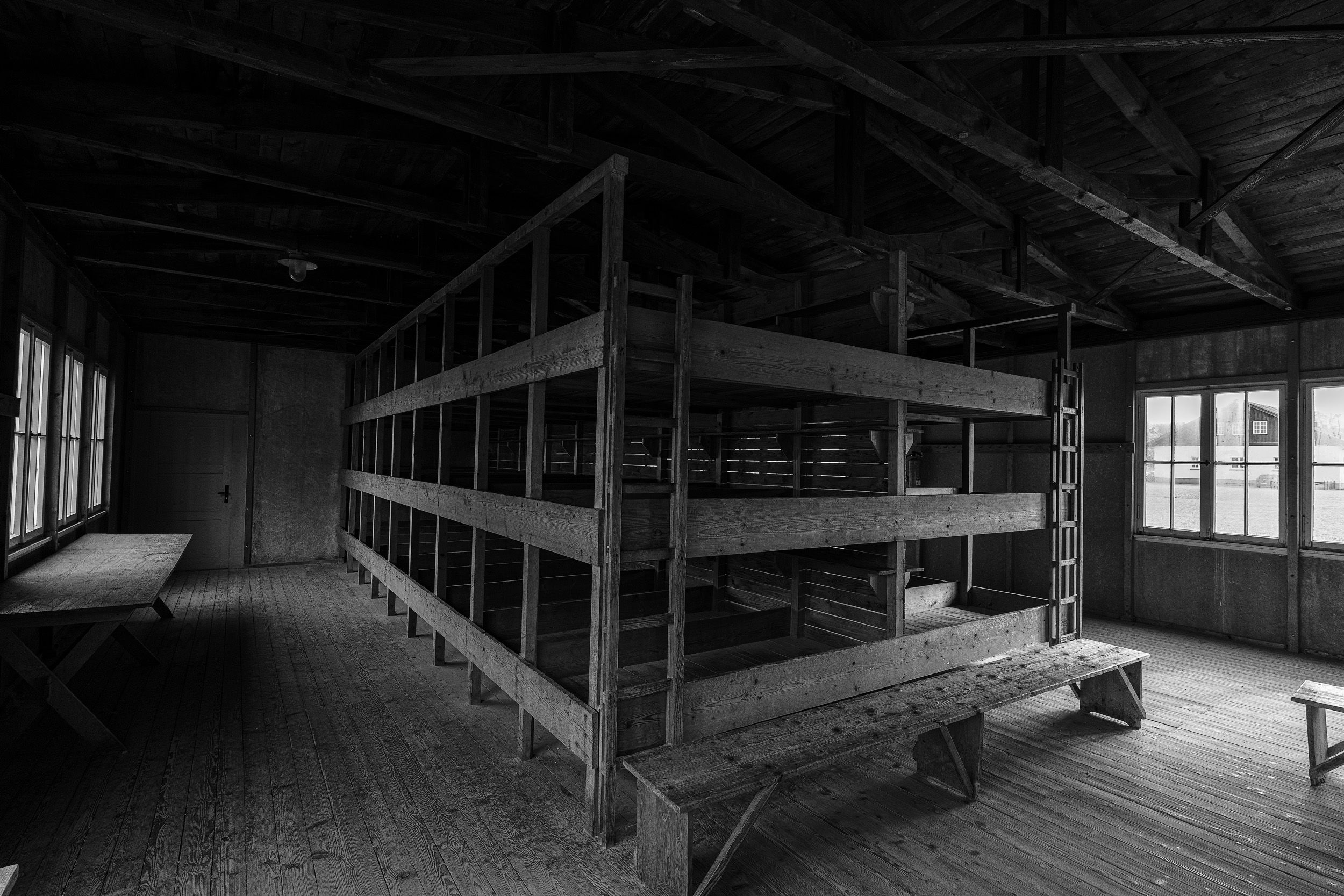
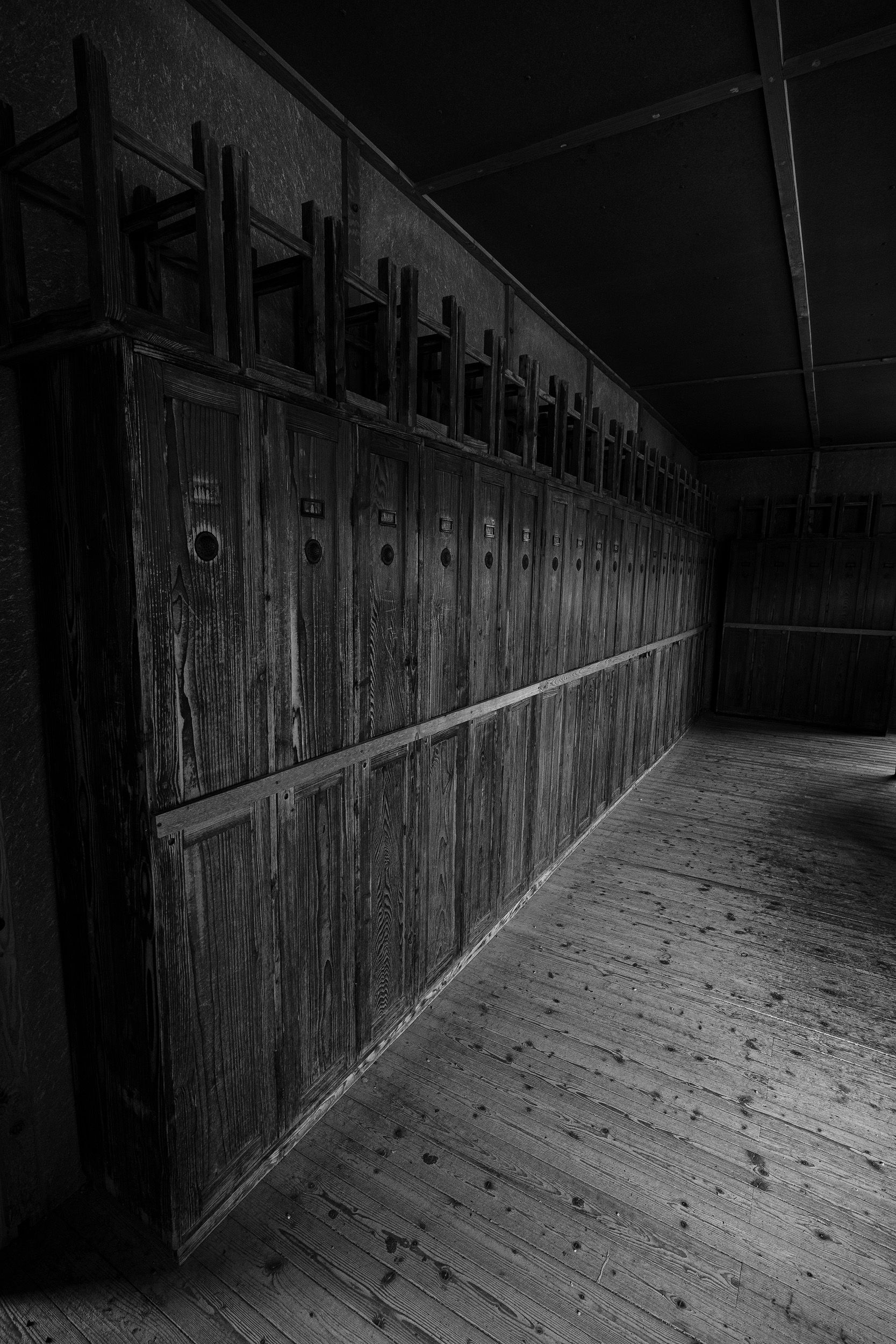
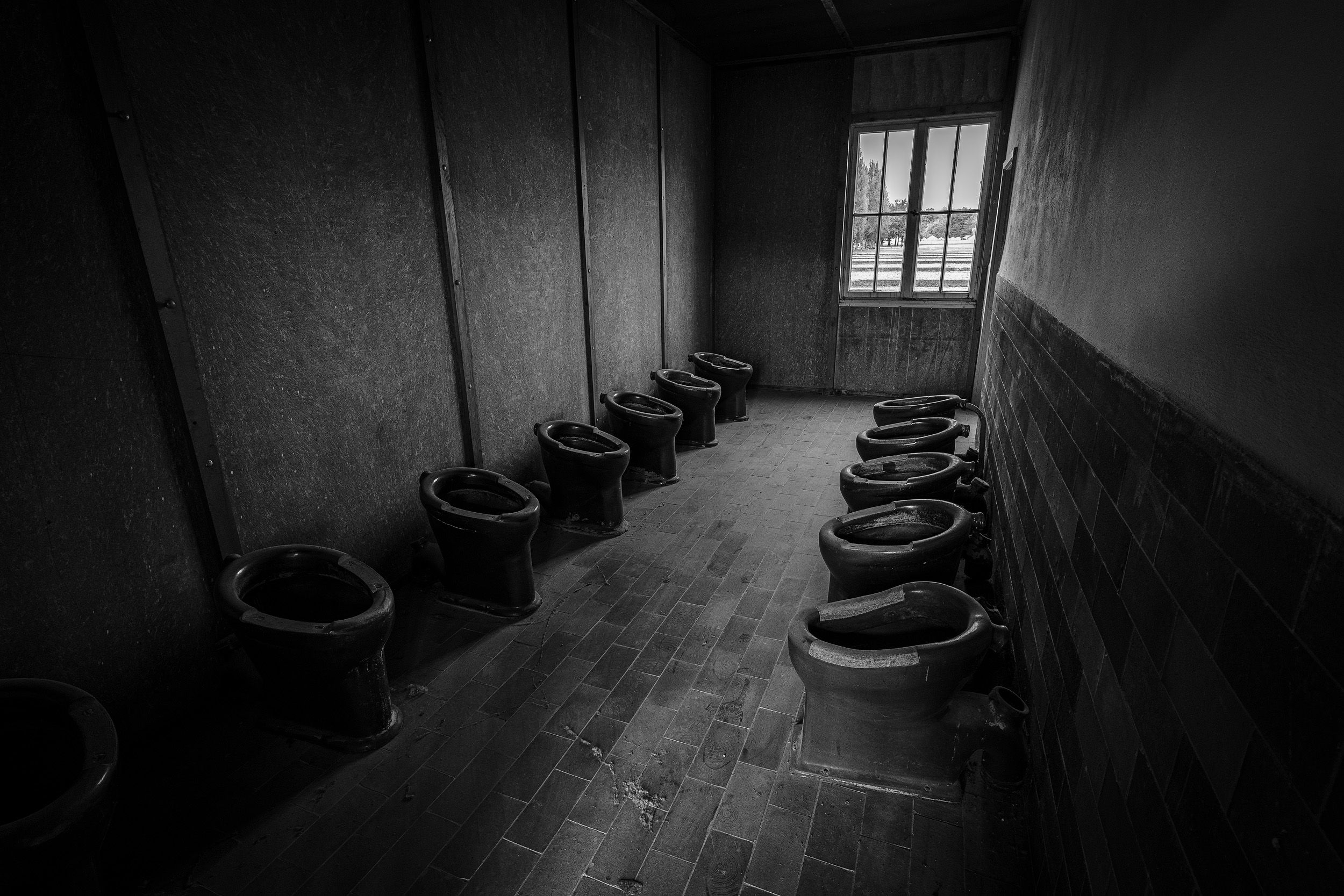
I entered one of the reconstructed barracks to see what the daily life of the prisoners was like. There I could observe the beds, tables, lockers, sinks, and toilets. I also saw photos, drawings, letters, and personal belongings that some prisoners had kept or hidden. Some were testimonies of their suffering, others of their solidarity or creativity.
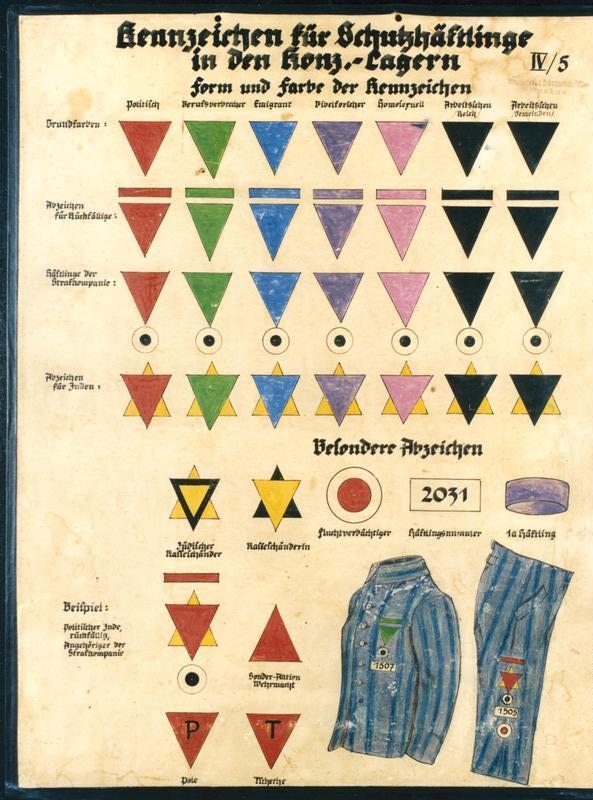
The Nazis classified concentration camp prisoners through a system of colored triangles sewn onto their clothing, with each color indicating the reason for their detention. This classification served both to easily identify them and to promote discrimination and division among the different groups of prisoners. The main colors and their meanings were:
- Red triangle: Political prisoners (socialists, communists, trade unionists, resistance members from occupied countries, liberals, etc.).
- Green triangle: Common criminals.
- Blue triangle: Foreign “immigrants” and stateless persons.
- Black triangle: People classified as “asocial” (vagrants, prostitutes, alcoholics, beggars, Roma/Sinti and Roma, lesbians, among others).
- Brown triangle: Sinti and Roma (Romani people). Originally used black, but later distinguished with brown.
- Purple triangle: Jehovah’s Witnesses (for refusing to serve the regime for religious reasons).
- Pink triangle: Homosexual men (also other “sexual offenses” according to Nazi interpretation).
There were also combined categories. Jewish prisoners, for example, wore an inverted yellow triangle beneath another triangle in the color corresponding to their perceived “offense” (political, “asocial,” etc.), thus forming a Star of David. For example, a Jewish prisoner considered political would wear a red triangle over a yellow one, while one considered “asocial” would show a black over yellow. Additionally, in many cases letters were added to indicate nationality (“P” for Polish, “F” for French, etc.) or additional symbols, such as a “Z” (for “Zigeuner,” Gypsy) or specific abbreviations. This system was intended to reinforce stigma, segregation, and hierarchies within the camps themselves.
I reached the end of the main camp, where the punishment and extermination sites were located. There I saw the bunker, a prison within the prison.
This was not a refuge, but a place of severe punishments and torture. In SS jargon, it was called “command detention,” but the prisoners knew it as the bunker. It was built around 1937–1938 and consisted of a building with individual cells where prisoners could be confined for weeks or months under extremely harsh conditions, including little food and poor ventilation.
In this bunker, the SS carried out interrogations, searches, and imposed severe punishments. Small, extremely narrow cells about 80 cm per side were installed, where inmates had to stand for several days with very little oxygen and insufficient food. This place was the scene of mistreatment, torture, and even the deaths of many prisoners.
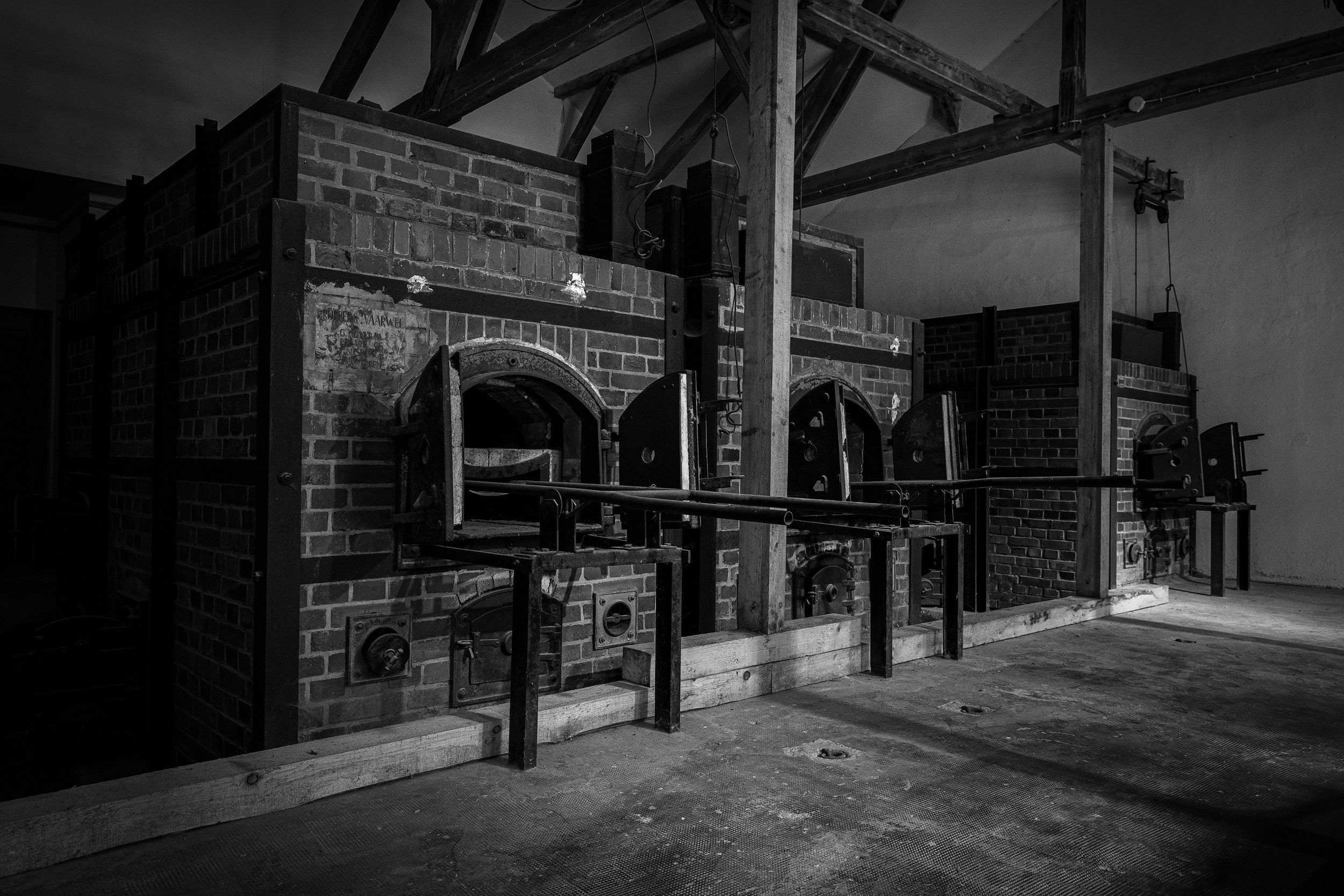
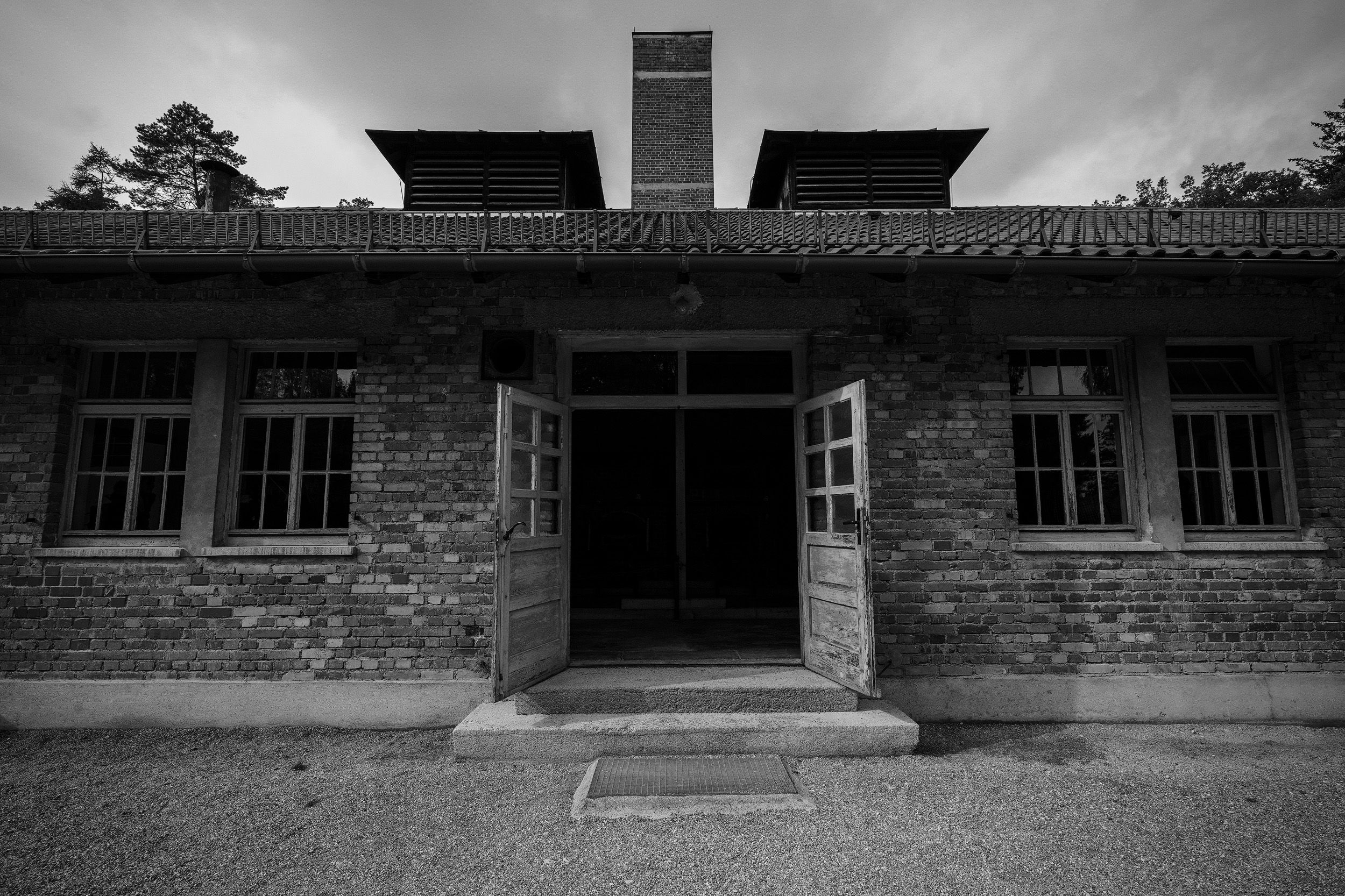
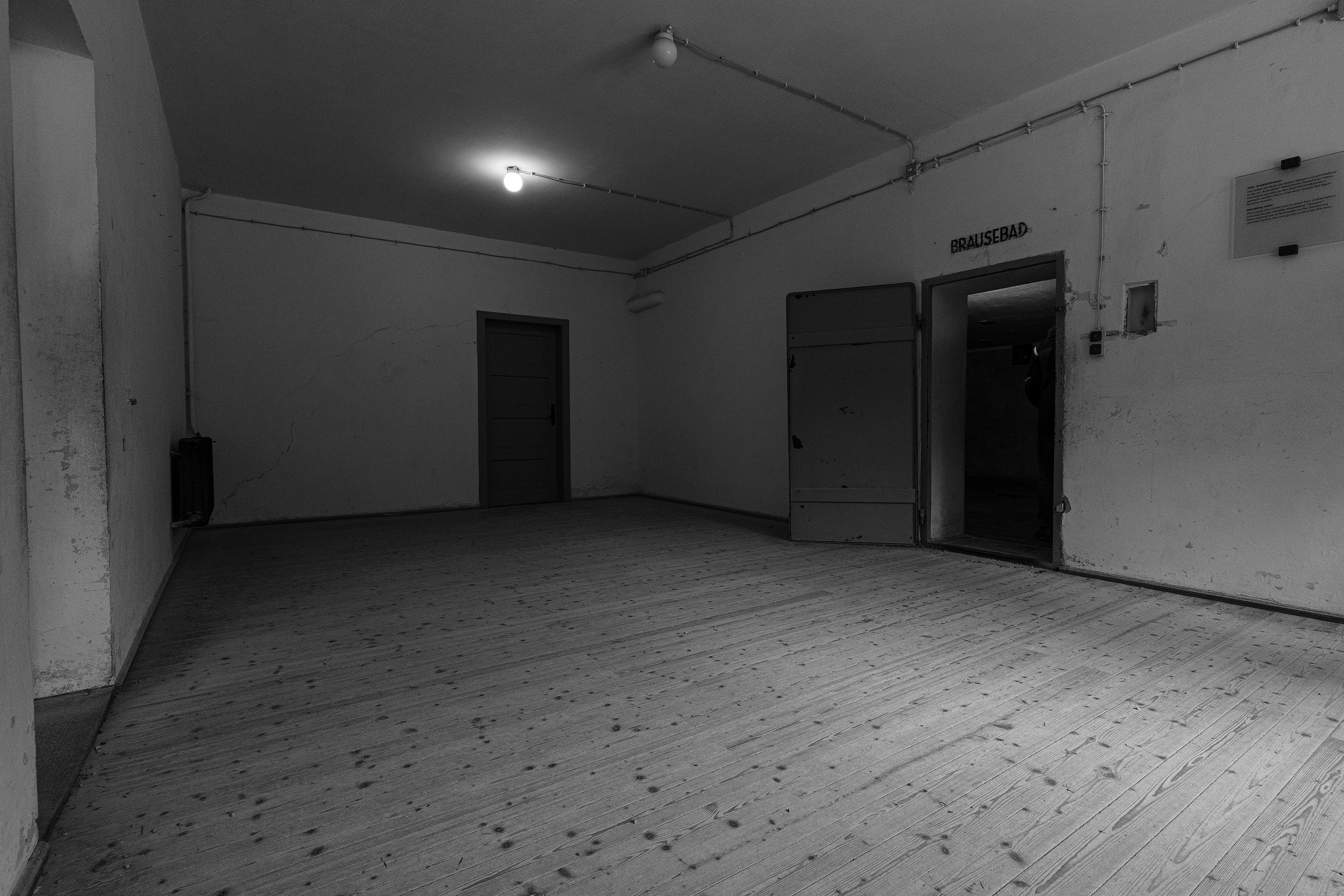
Beyond the yard was a wooded area where the crematorium was hidden, where the Nazis burned the bodies of prisoners. The crematorium had four ovens capable of burning about 150 bodies per day. It also had a gas chamber disguised as a shower, where the Nazis suffocated prisoners with carbon monoxide or Zyklon B, a lethal pesticide. The gas chamber could hold about 150 people, but it was only used on some occasions, since Dachau was not a mass extermination camp like Auschwitz.
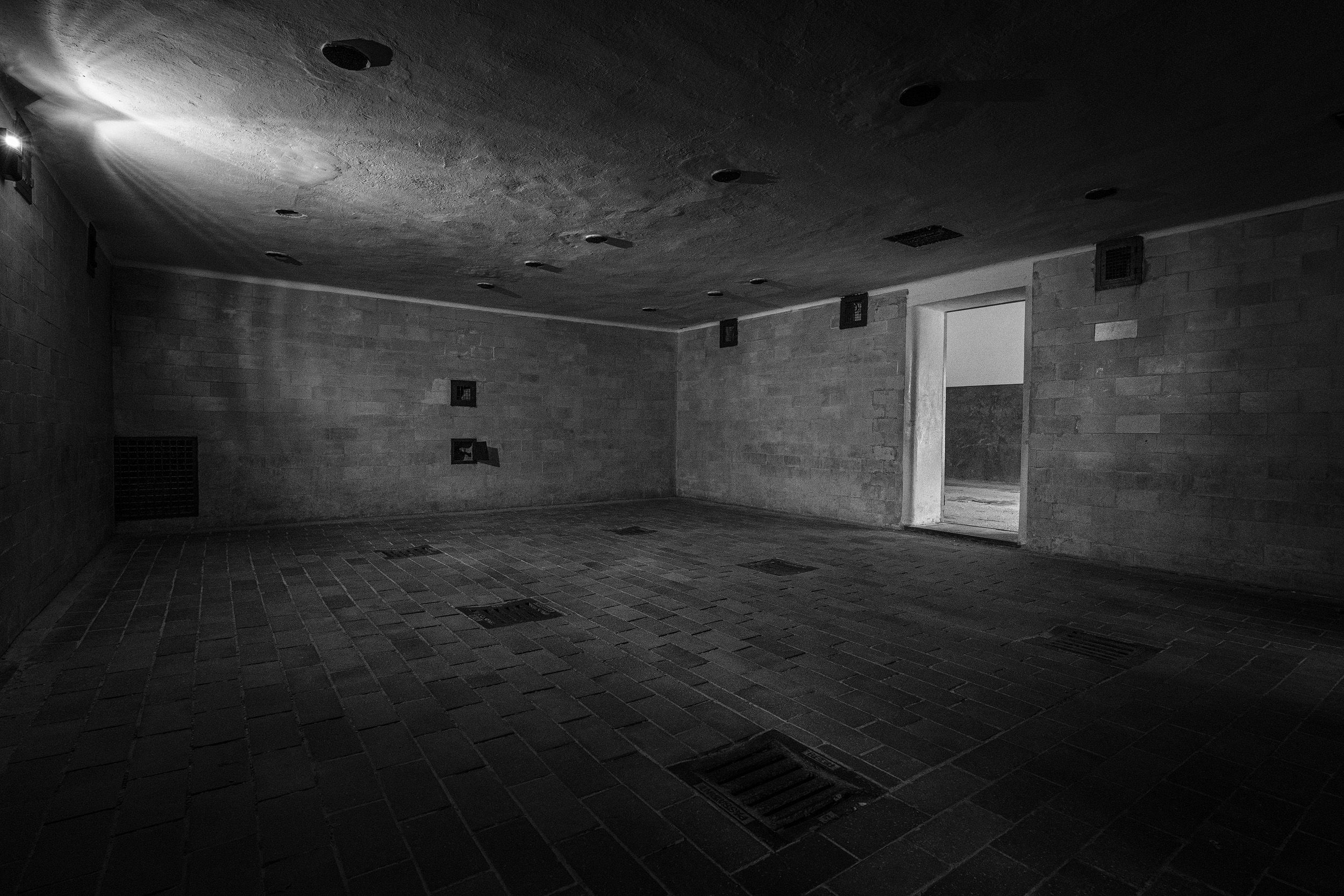
I felt a chill seeing the ovens, the gas chamber, and the rooms where the corpses were stacked. I also saw a dissection table where the Nazis carried out medical experiments on living or dead prisoners. Some of these experiments were on malaria, tuberculosis, typhus, yellow fever, or freezing. The prisoners were infected, injected, operated on, or exposed to extreme conditions without anesthesia or consent.
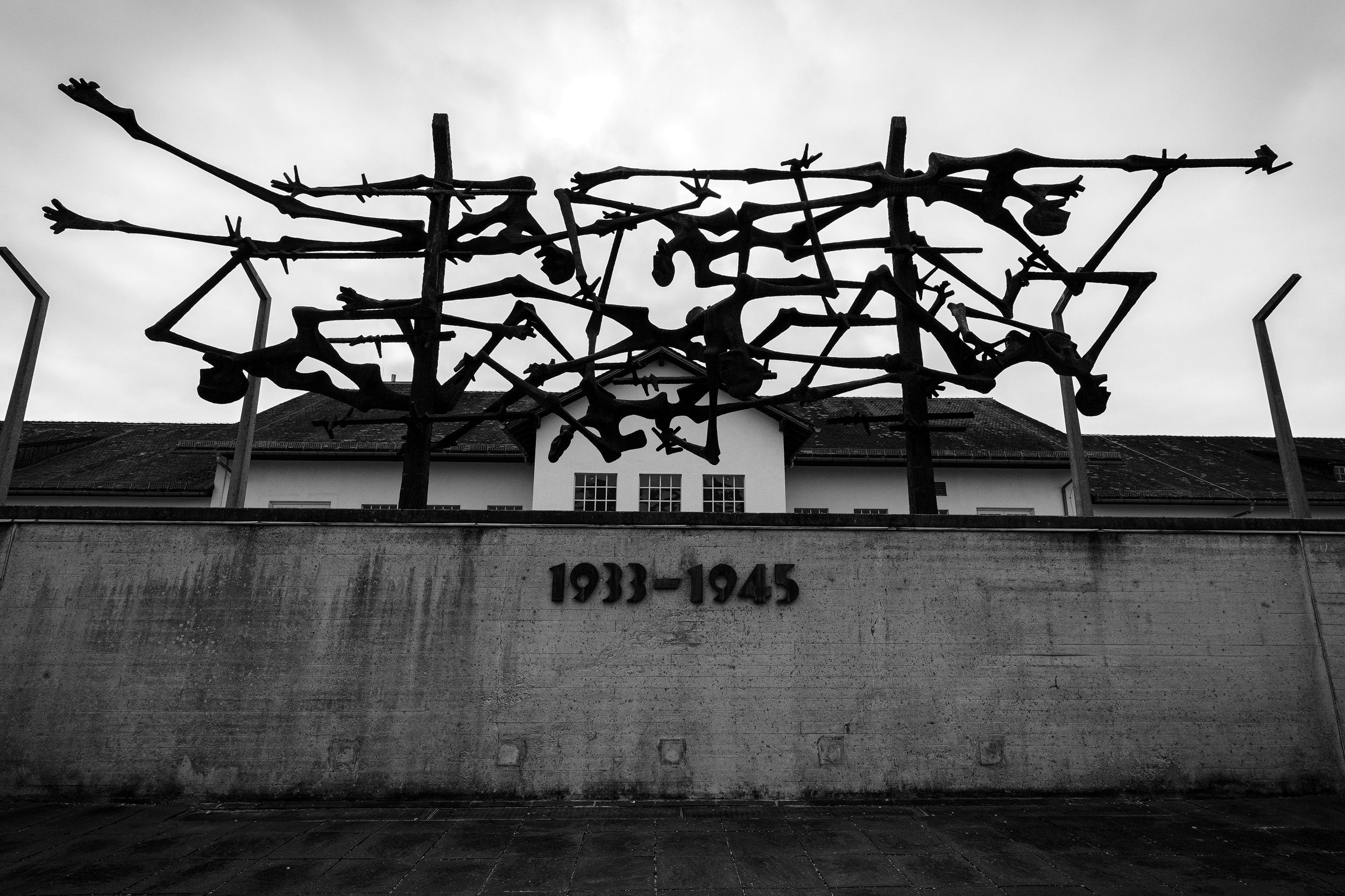
I finished my tour of the camp and went to the memorial, where there are several monuments and museums dedicated to the victims and historical memory. There, I saw the international monument, an abstract sculpture representing the suffering and liberation of the prisoners. I also visited the historical museum, where there is a permanent exhibition about the camp’s history and Nazism.
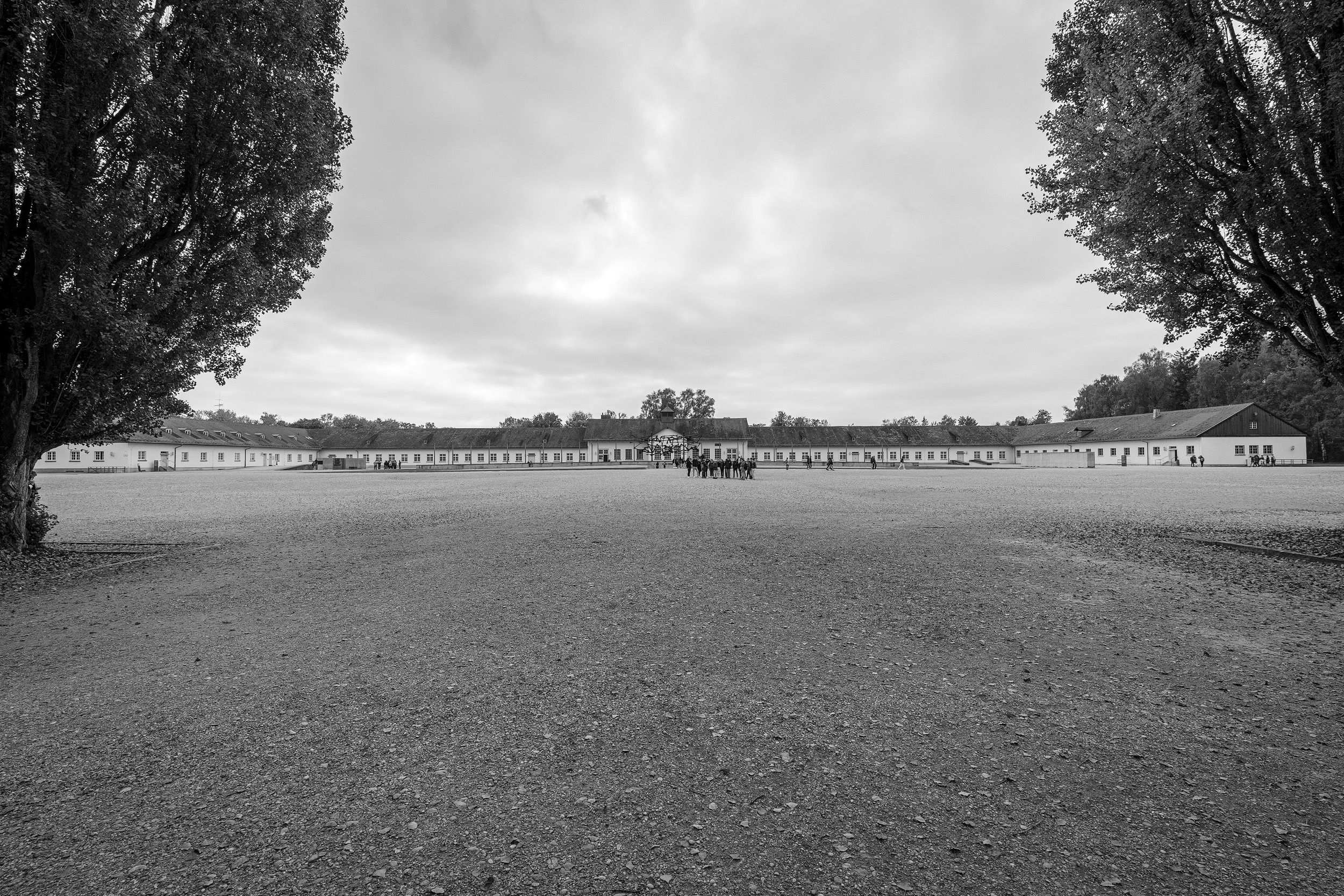
Visiting Dachau was a tough but necessary experience. It made me reflect on the importance of being able to visit these places today, despite the pain they convey, to become aware of the cruelty and barbarity that humanity can commit when driven by hatred and intolerance—as a lesson so that it never happens again.